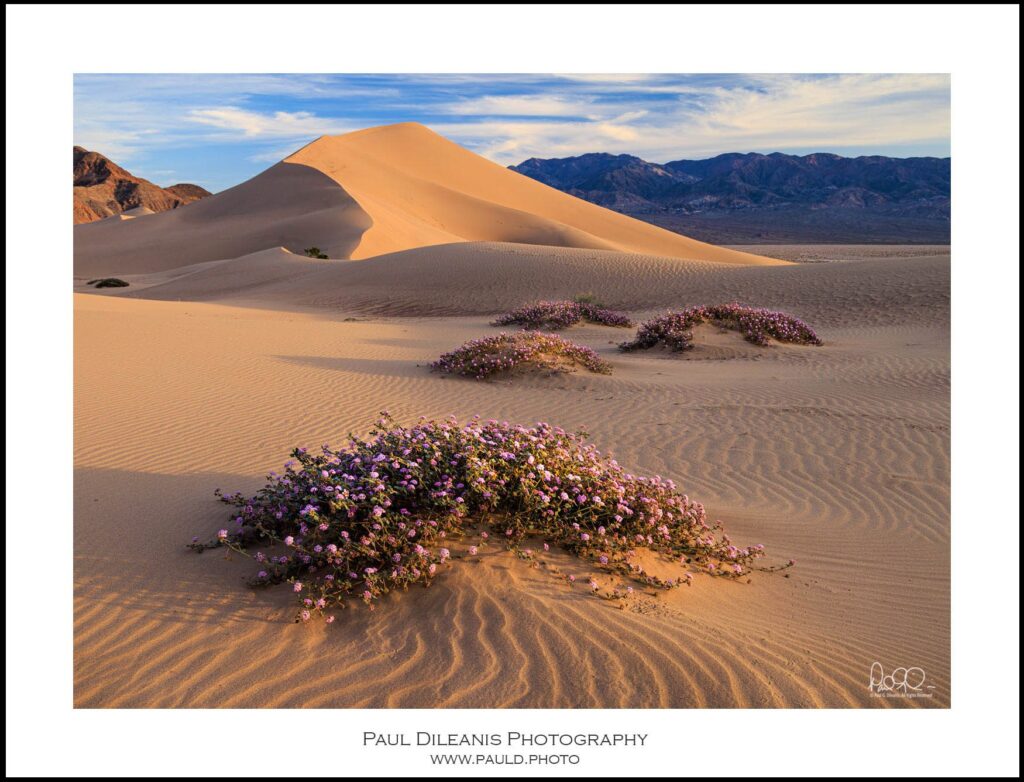
“Anything that will grow at this latitude, grows here in its preferred setting, but according to the rhythms of the arid lands, which have been perfectly learned.”
Mary Hunter Austin
Mary Hunter Austin’s keen observations and literary skill eloquently illustrate how plants have adapted to life in the desert. Observing the rhythms of the land, the land being in her words “all those things common to a given region”, aids us in predicting when and where desert plants may bloom.
Early reports indicate that 2026 should be a good year for wildflowers. Here is what experts are currently saying.
Death Valley Natural History Association
David Blacker, executive director of the DVNHA, in the organization’s January wildflower report wrote, “Death Valley is poised for a better-than-average bloom, and with a little luck, it could even be better than that,”
National Park Service
The NPS agrees – the agency wrote in its annual wildflower season update that 2026 is expected to be an exceptional bloom year in Death Valley. Sprouts have already been recorded in washes and hillsides, with low-elevation areas likely to see flowers in February and March. Higher elevations will probably have blooms from April through May, possibly even June. 2026 Wildflower Season Update (1/14/2026)
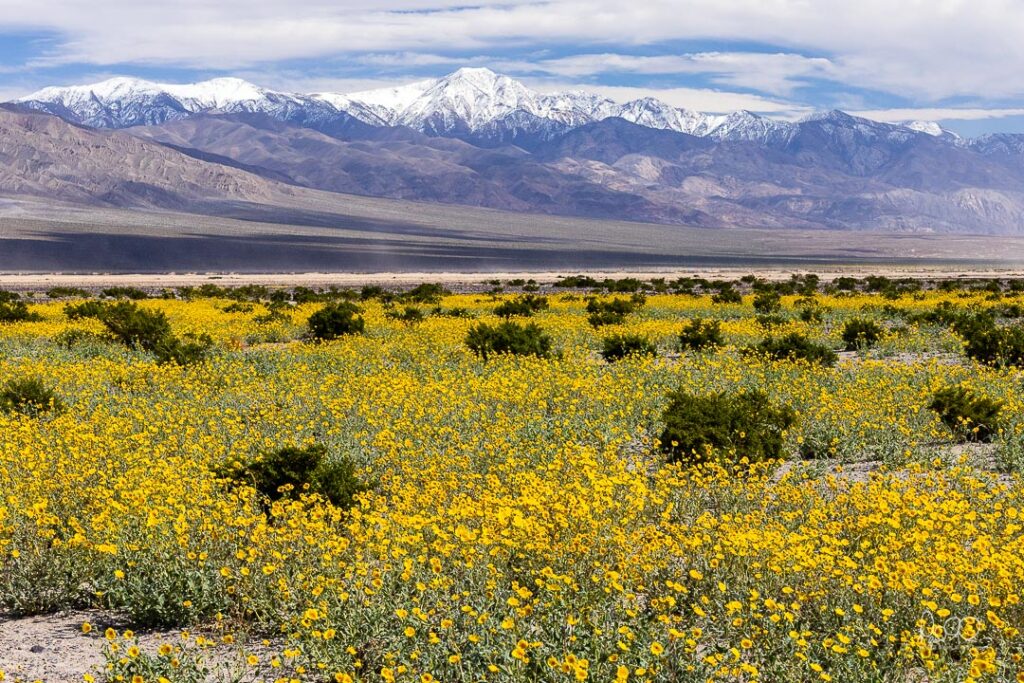
Plan your Death Valley Wildflower adventure
Fifty years ago on a desert biology field trip I was told by an instructor that there is “always something blooming somewhere in Death Valley”. The reason is that Death Valley features several ecological zones from low desert areas like Badwater Basin, the lowest point in North America, to Telescope Peak towering over 11,000 feet above the valley. These diverse ecosystems support a variety of plant species adapted to extreme conditions. Among the habitats one can find are salt flats, sand dunes, oasis and rugged mountains. On one of my recent trips I found mushrooms growing in the Panamint and Ibex dunes: Something I had never seen before.
Superblooms are rare. While we can always hope for such an event, a well-planned photography outing during normal and above average years can be equally rewarding and as a bonus, significantly less crowded. If you have never been to Death Valley or are not sure where to go, think about signing up for a Death Valley Photography Workshop.
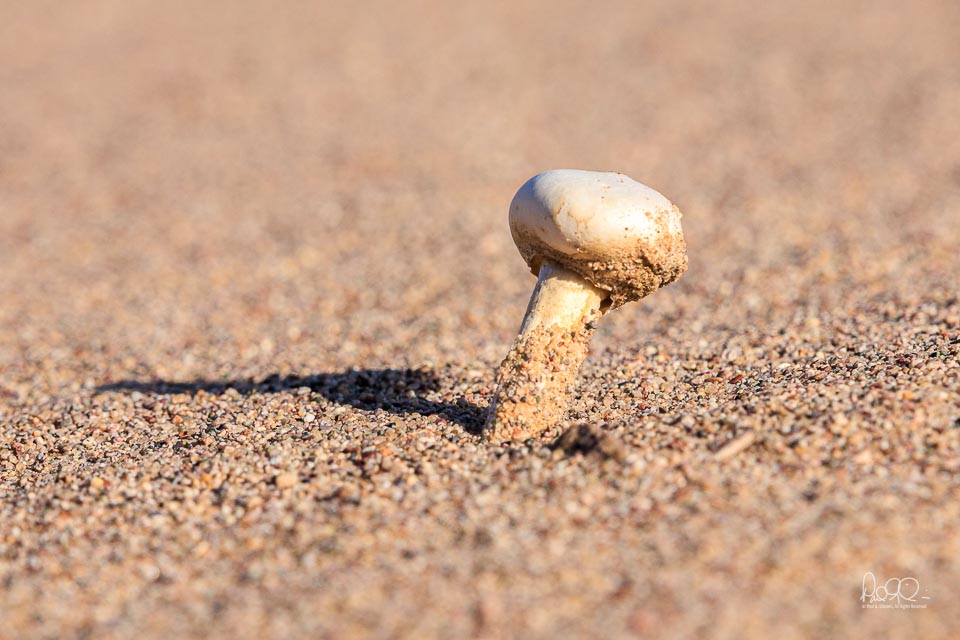
Death Valley is full of surprises!
Desert Mushroom found growing in the Ibex Dunes, Death Valley NP.
What Causes Superblooms in Death Valley
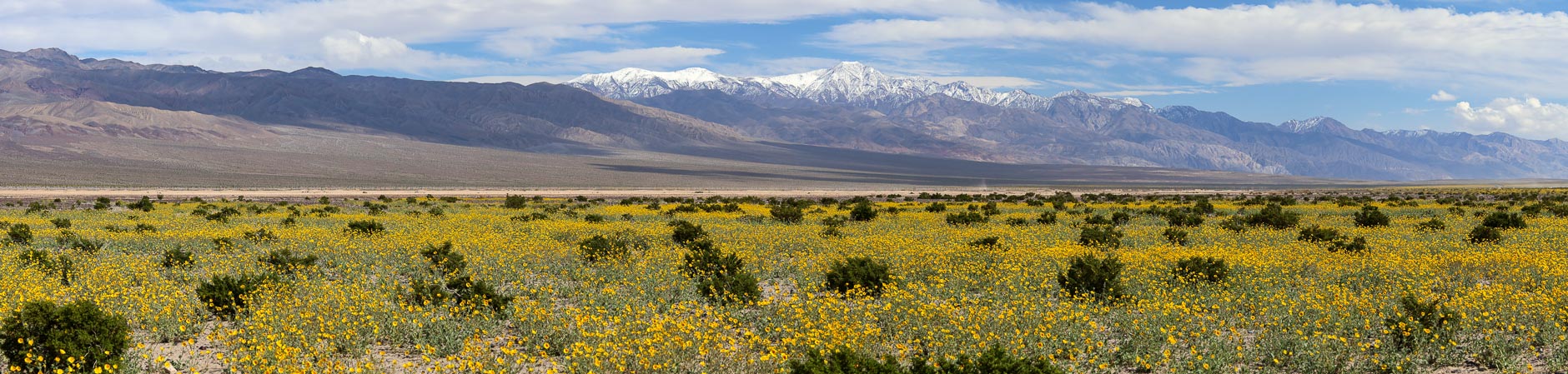
For photographers heading to Death Valley the word superbloom conjures a seductive vision of a barren landscape turned resplendent by a kaleidoscope of color. There are many factors that go into determining if, when and where wildflowers will bloom in Death Valley.
Superblooms in Death Valley are caused by a combination of factors that create ideal conditions for wildflower seeds to germinate and bloom. The key elements include:
- Significant rainfall: A steady winter rain is essential to wash away the protective coating on wildflower seeds and allow them to sprout.
- Mild spring temperatures: The ground must warm slowly over several months after the first soaking rain to reach a temperature suitable for the newly germinated plants.
- Lack of strong winds: Winds can uproot young plants or damage their young shoots, so calm winds are necessary to allow the flowers to flourish.
These conditions are rare and occur only when the desert remains dry enough to prevent invasive grasses from becoming established, allowing native flowers to thrive. The superbloom phenomenon is a testament to the resilience of desert ecosystems and the delicate balance of natural processes that can lead to such extraordinary displays of color in the Death Valley landscape.
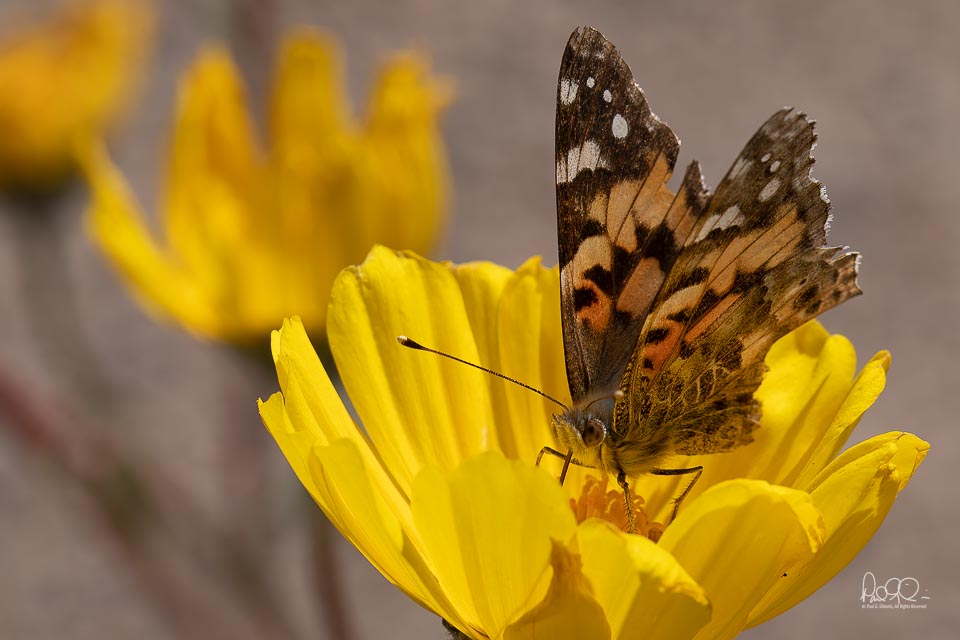
Keep your eye out for pollinators. Native bees, butterflies and other insects can be found in abundance during above average wildflower seasons.
Painted Lady Butterfly, Vanessa virginiensis, on Desert Gold Wildflower, Gerea Canescens, Death Valley national Park
Keep in mind that the term ‘superbloom’ has become media hype
Notice that for now the experts are avoiding the term ‘superbloom’. Face it, no one gets excited about a normal bloom or an above average bloom. Superblooms (along with supermoons I might add) have become a way to garner eyeballs and clicks on the web. Don’t get distracted by the hype. Many of the people I know who once published wildflower reports are now silent after hordes of influencers and clueless visitors have reeked havoc in sensitive habitats throughout the state during publicized superblooms.
Death Valley Wildflower Gallery